
Our Services
Specialist composite inspection support for advanced carbon-fibre structures
Ultrasonic Testing (conventional and phased array)
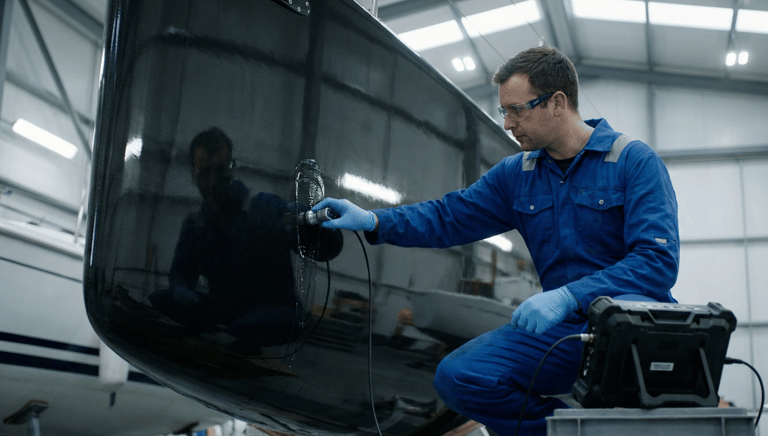
Ultrasonic testing is a reliable, portable method for confirming internal defects in composite structures. It quickly verifies any indications found by laser shearography with clear through-thickness detail. Together, they provide a fast and accurate assessment of composite integrity.
Ultrasonics is also deployed in challenging locations such as testing in confined spaces such as those on the inside of a yacht.
Laser Shearography
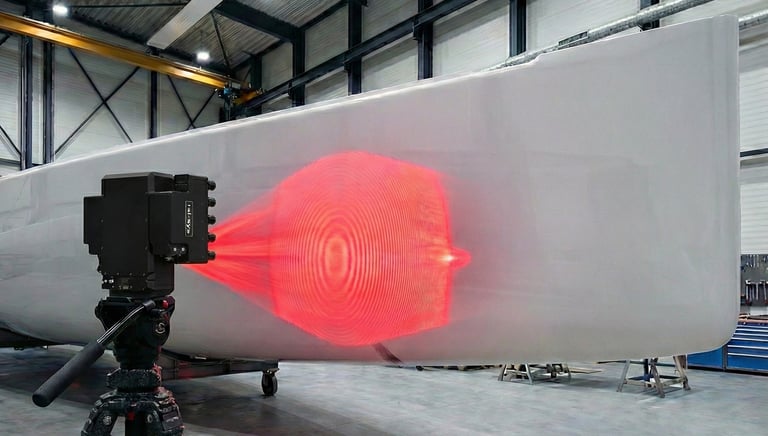
Laser shearography is a full-field, non-destructive inspection method that uses coherent laser light and controlled stress to reveal subsurface defects such as delamination, core shear failure, and disbonds in composite yacht hulls. It is particularly effective for large, curved structures because it rapidly visualises minute surface deformations that indicate hidden structural issues.
Note that we are also proud distributors of isi-sys laser shearography units, so can supply and train your staff with your intended application.
CarbonTest’s thorough inspections gave us peace of mind before campaigning our TP52 racing yacht—truly invaluable confidence to have on the water when pushing hard.
Adam - Boat Captain


★★★★★
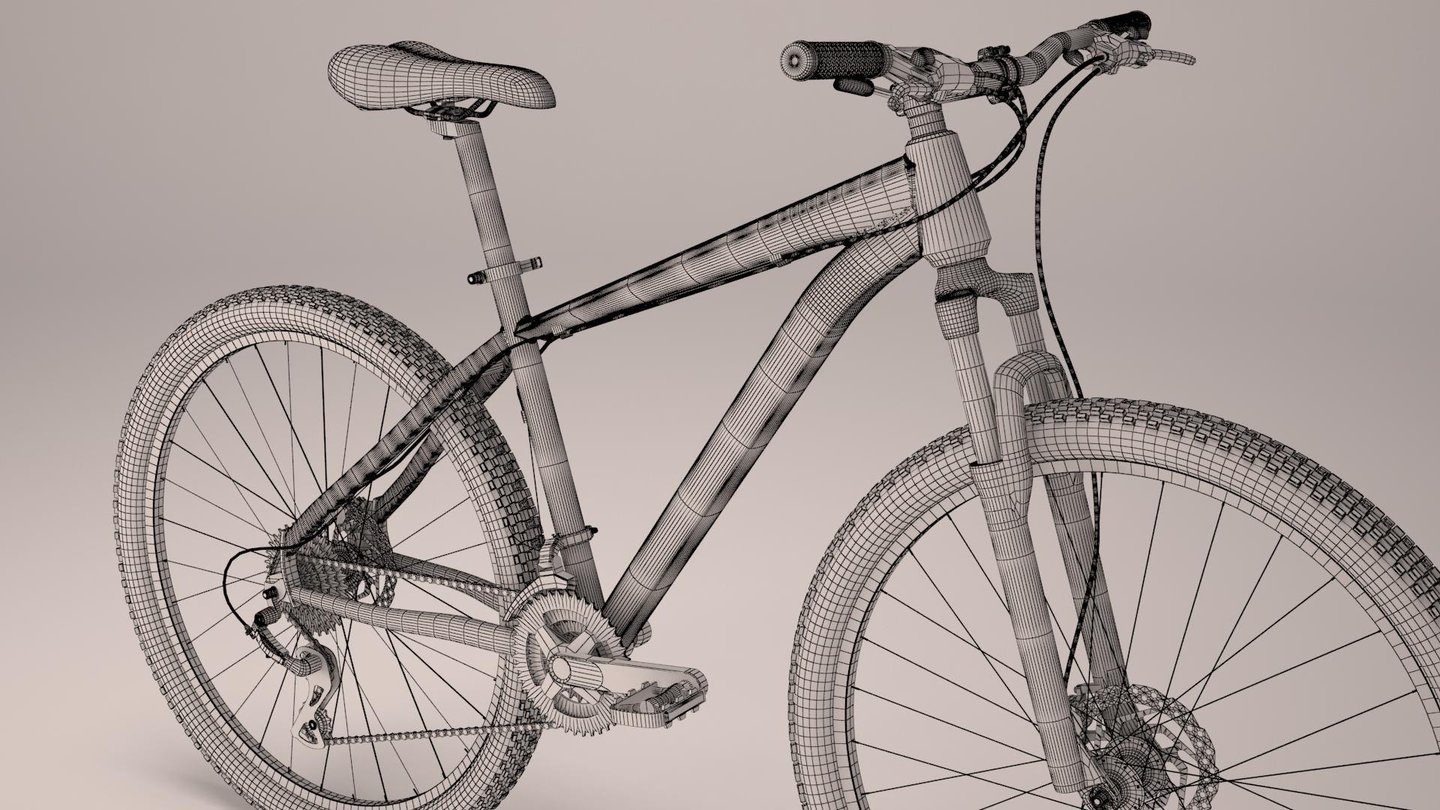
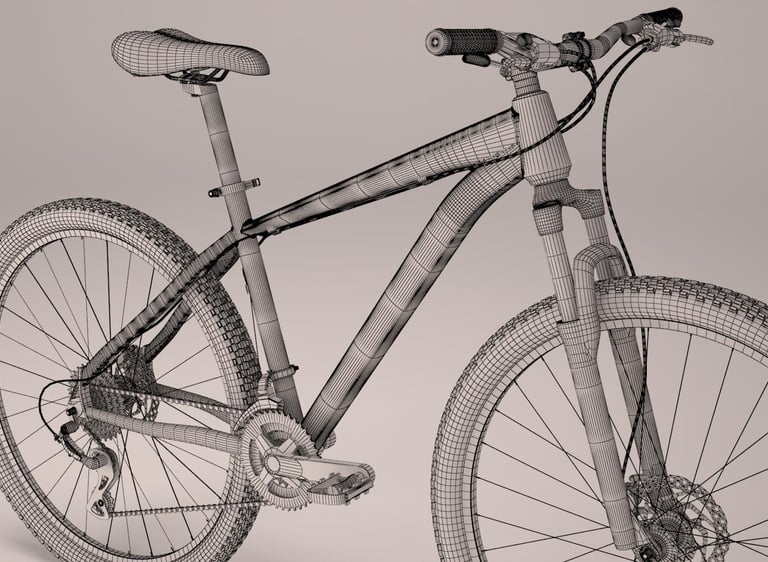
Carbon Fibre Bicycle Inspection
Performance Bicycles
Don't risk injury, catastrophic failure or race day results - get you ride tested for confidence.
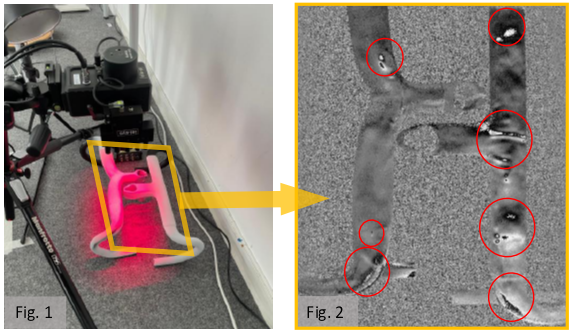
Handlebars
Laser shearography showing results of two handlebars with defects
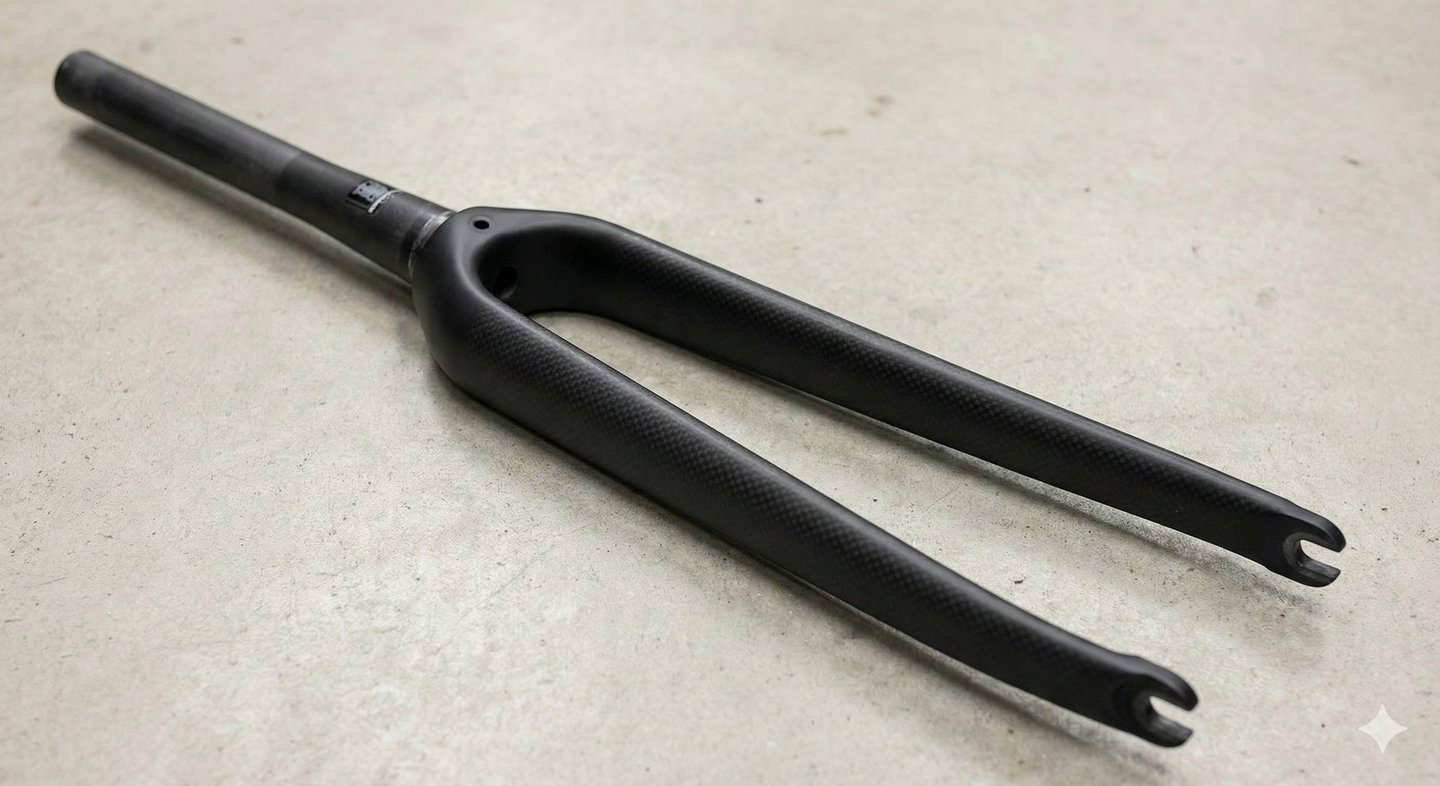
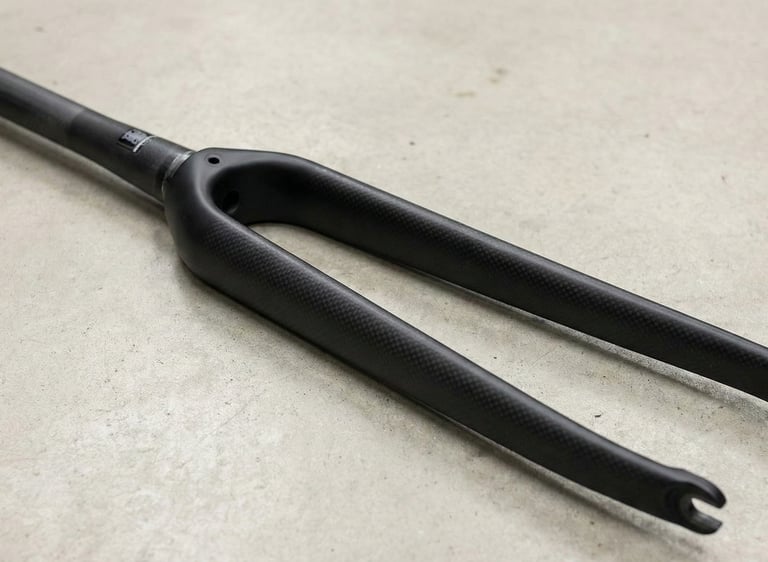
Carbon Fibre Forks
Testing of forks including the fork steerer for hidden cracking
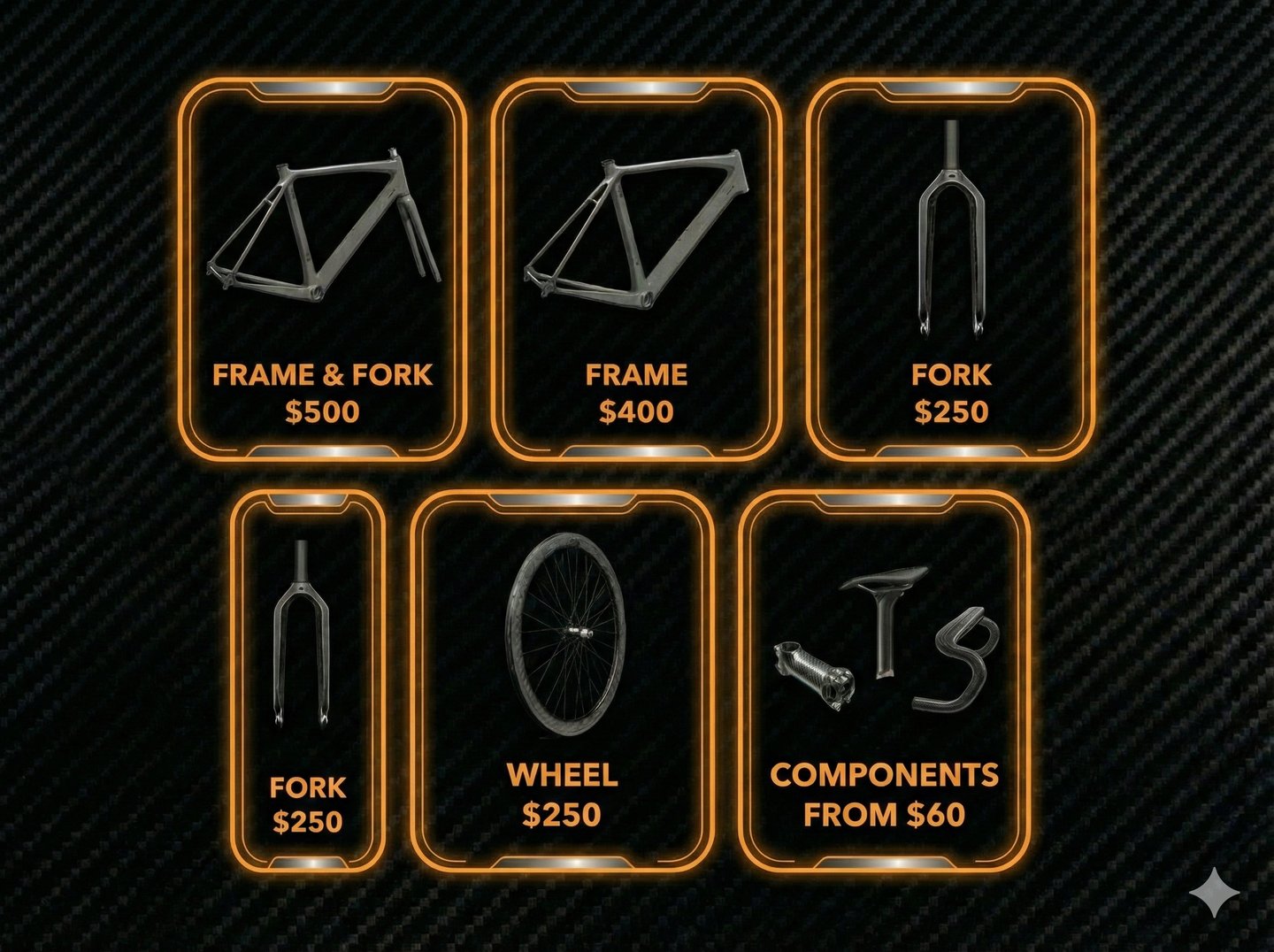
Price List
GST inclusive prices for various items, including test report.
Handle bars are $120
Laser shearography and ultrasonics provide the most reliable way to detect hidden defects in carbon-fiber bicycle frames, such as delamination and voids that cannot be seen from the outside. By identifying these early, riders and manufacturers can prevent catastrophic structural failures and ensure the safety and performance of high-end bikes.
NOTE: We do not disassemble or re-assemble bicycles.
Components, need to be supplied stripped and ready for inspection.
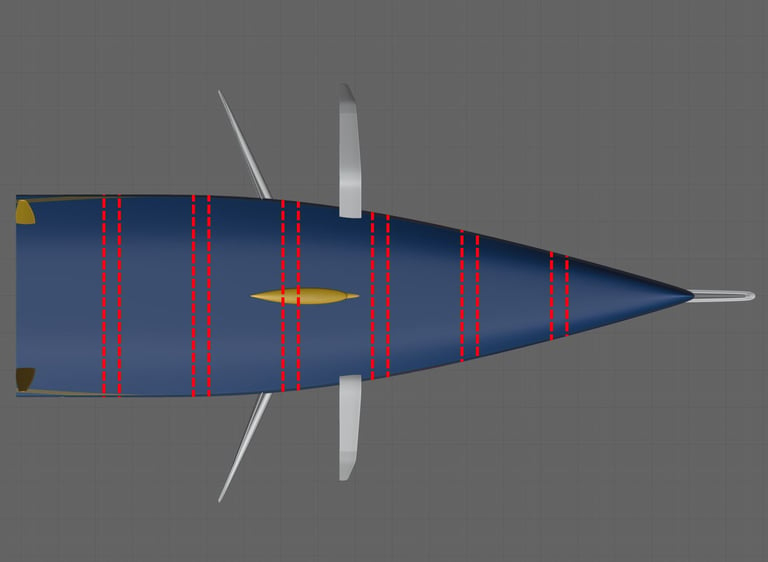
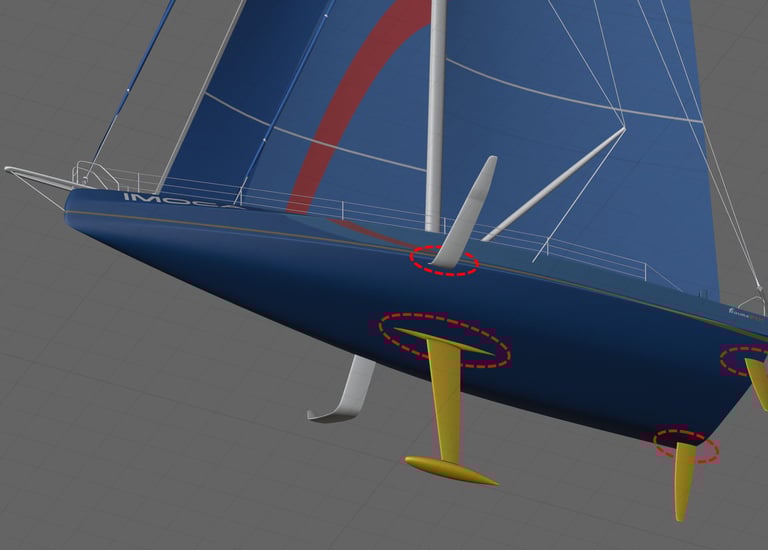
Sample Yacht Inspection Plan
Zone A – Forward Slamming Area (bow sections and lower forward panels)
Zone B – Mid-body & Structure Intersections (chainplates, frames, bulkhead interfaces)
Zone C – Appendage Interfaces (keel, foil, rudder and dagger board exits, foil exits)
Rig & Load Paths - Winch and pedestal platforms, mast partners, rig to hull attachment points, bowsprit, forestay
Appendages — Rudders / rudder stock to blade, daggerboards/foils and trunks, keel box, pin areas and local attachments
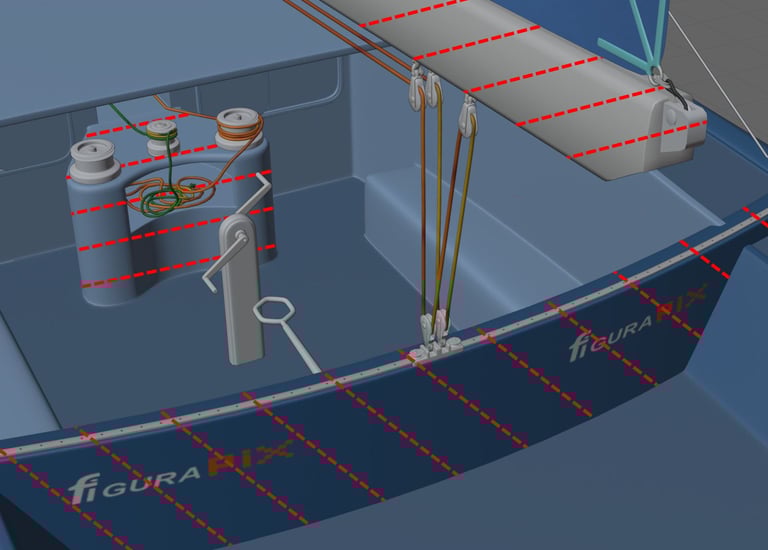
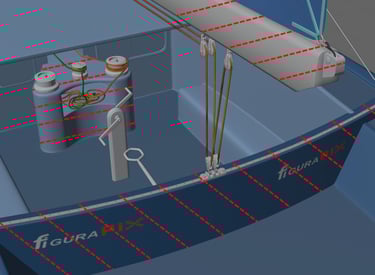
Rig & Load Paths
(UT + Shearography)
Winch supports,
Bowsprit
Forestay
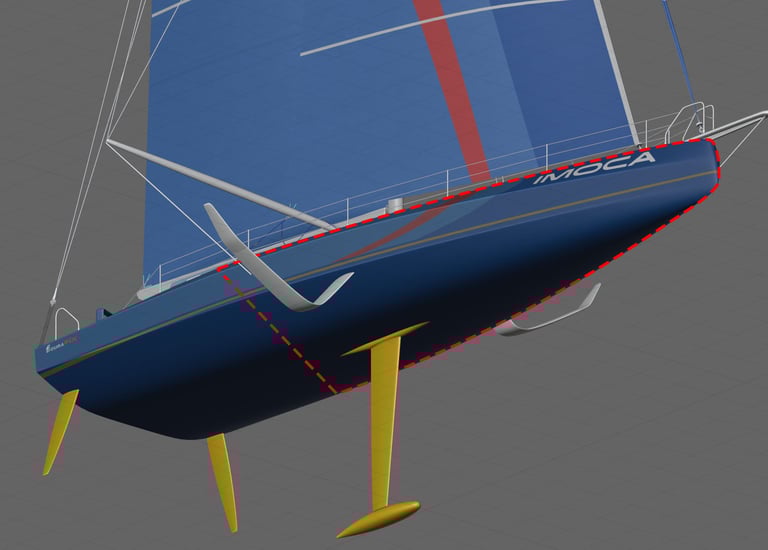
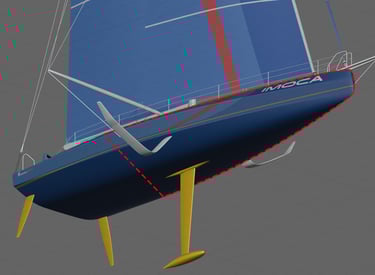
Zone A – Forward Slamming Panels (Shearography)
Foam/core crush mapping
Debonding and delamination from repeated slamming loads
Bow sections, forward panels and bottom panels in way of maximum impact
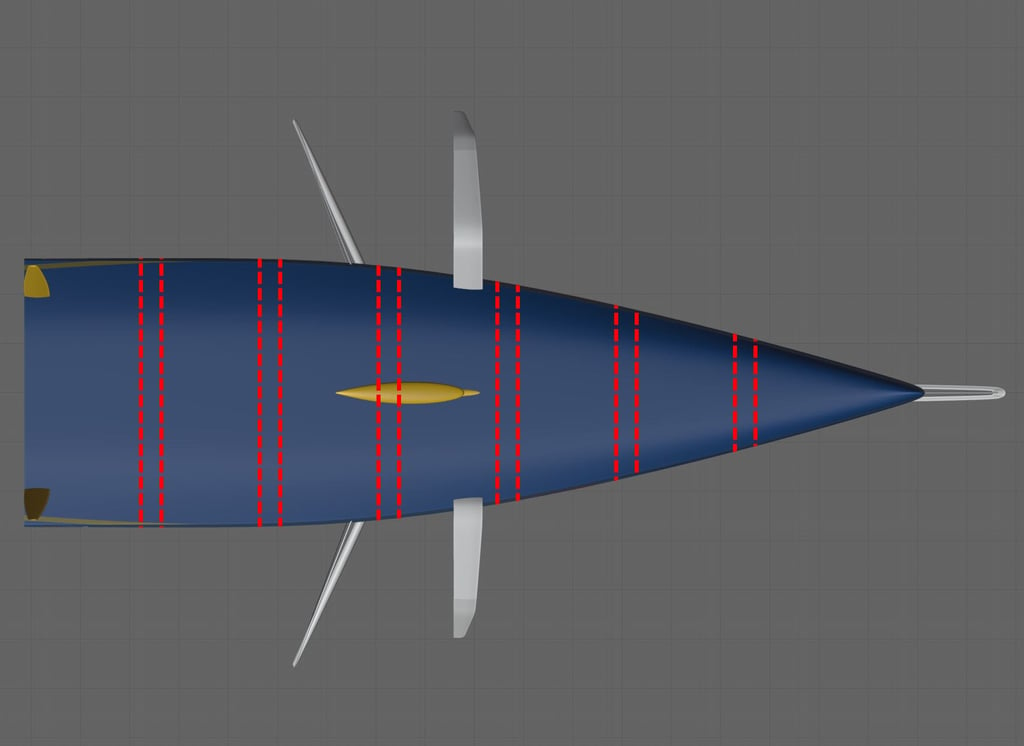
Zone B – Mid-body & Load Paths (UT + Shearography)
Internal framing / bulkhead intersections
Chainplates and longitudinal load paths
Deck-to-hull joints in way of primary standing rigging
Zone C – Aft Quarters & Appendage Interfaces
(UT + Shearography)
Rudder stock to hull region
Keel and foil exits / trunks (if present)
Aft sections subject to cyclic bending and torsional loading
Hull Coverage Map
First a hull coverage map is developed with zones for testing being: